
Can You Get Dental Implants If You Have Gum Disease?
If you are exploring dental implants in Brooklyn but you have been told you have gum disease, you may question if you’re an eligible candidate.
Dental implants are one of the most predictable treatments in dentistry, but they are also biologic devices that rely on healthy bone and healthy soft tissue to succeed long-term. Gum disease can compromise both.
The encouraging news is that many people with gum disease can still become excellent implant candidates, as long as the gum disease is diagnosed accurately, treated properly, and maintained consistently. This is not just clinical opinion, it is supported by decades of periodontal and implant research showing a clear pattern: a history of periodontitis increases risk, but risk can be managed with the right sequence of care and ongoing supportive maintenance. (PubMed)
For an overview of periodontal therapy options that often come before implant placement, see our page on gum disease and gum grafting treatment in Brooklyn.
Quick answer
Yes, you can often get dental implants if you have gum disease, but not while gum disease is active and uncontrolled. Active periodontal infection and inflammation must be treated first, and implant planning must include long-term maintenance to reduce the risk of peri-implant disease. This approach aligns with professional periodontal guidance and the evidence base on risk factors for implant complications. (PubMed)
What “gum disease” means in implant planning
“Gum disease” is a broad term. For implant candidacy, it matters which stage you have.
Gingivitis
Gingivitis is inflammation of the gums without loss of bone or connective tissue attachment. It is common and typically reversible with improved home care and professional cleaning.
Periodontitis
Periodontitis involves inflammation plus loss of attachment and supporting bone around teeth. Periodontitis is the version of gum disease that matters most for implants because it reflects a person’s susceptibility to chronic inflammatory breakdown, and it can shape implant risk if not stabilized. (PubMed)
A key point is that implants cannot get cavities, but they can get inflammatory disease around them, and patients with a history of periodontitis have a higher risk of developing that problem.
Why gum disease affects dental implant success
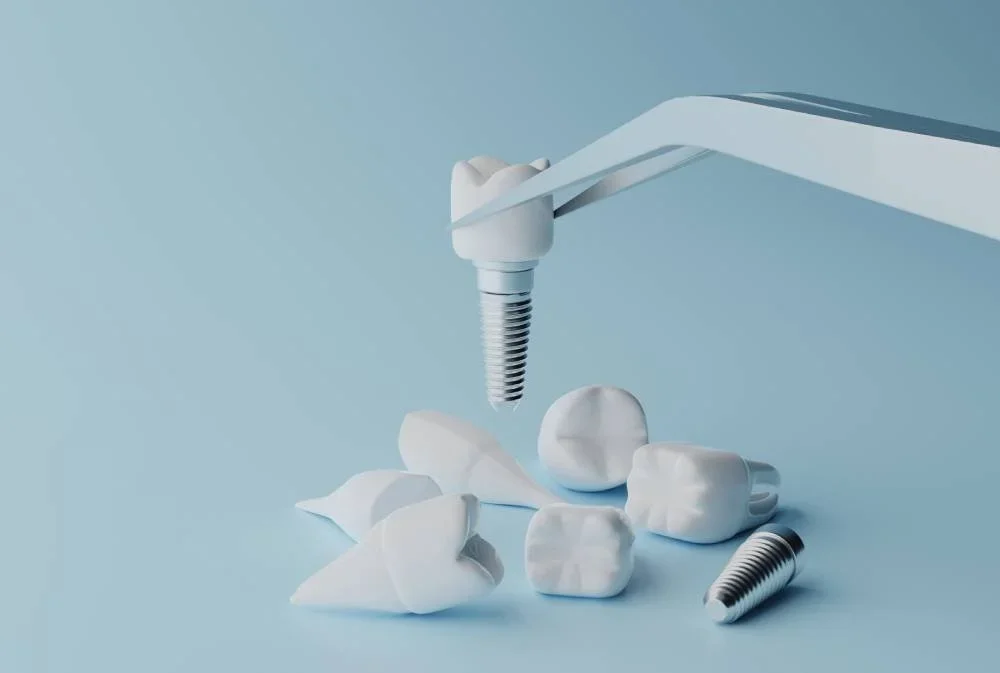
Dental implants rely on two biological foundations:
Osseointegration, a stable bond between bone and implant surface.
Peri-implant soft tissue health, a stable tissue seal that helps resist bacterial challenge.
Gum disease can compromise both by increasing bacterial load, increasing inflammation, and reducing the quantity or quality of supporting bone.
The implant equivalent of gum disease: peri-implant diseases
Implants can develop:
Peri-implant mucositis: inflammation around implants without bone loss.
Peri-implantitis: inflammation around implants with progressive bone loss.
Systematic reviews and meta-analyses confirm that peri-implant diseases are common enough to be a major part of implant planning, and they highlight risk indicators that overlap strongly with periodontal disease history. (ryanperio.com)
What the research says: can periodontal patients get implants?
The highest-quality summary is consistent across modern reviews:
A history of periodontitis is a significant risk factor for peri-implantitis, marginal bone loss, and implant failure.
This does not mean implants are contraindicated, it means they should be placed with risk-aware planning and maintained with supportive care.
A 2024 systematic review concluded that a history of periodontitis is associated with incident implant failure, peri-implantitis, and greater marginal bone loss. (PubMed)
A 2018 systematic review also found that periodontitis diagnosis or history is associated with peri-implantitis occurrence. (ScienceDirect)
A 2016 review focused on risk factors concluded that a history of periodontitis can represent a risk factor for peri-implantitis, reinforcing the need for periodontal stabilization and careful maintenance. (PMC)
Professional periodontal position papers also recognize implants as a tool within periodontal therapy, while emphasizing diagnosis, risk assessment, and long-term maintenance. (PubMed)
Bottom line: Implants can be highly successful in patients with gum disease history, but they should not be treated like “routine implants.” They require a periodontal-first strategy.
The most important distinction: active gum disease vs history of gum disease
If gum disease is active and uncontrolled
Implants should generally be delayed until:
inflammation is reduced,
bacterial plaque control improves,
periodontal pockets stabilize,
bleeding on probing is controlled,
and any hopeless teeth are addressed.
This is because placing implants into an environment with active inflammation and high bacterial burden increases risk of early complications and sets up future peri-implant problems. Reviews and consensus guidance repeatedly emphasize periodontal treatment prior to implant therapy in periodontitis patients. (AAP Journals)
If gum disease is treated and stable
Many patients can proceed with implants if they:
demonstrate good oral hygiene,
have stable periodontal measurements over time,
follow a maintenance program.
Supportive care is not optional in this group, it is a core part of treatment. (Nature)
How a periodontist evaluates implant candidacy when gum disease is involved
A good evaluation is both clinical and diagnostic. Common steps include:
1. Periodontal charting and diagnosis
This includes probing depths, bleeding on probing, recession, mobility, furcation involvement, and clinical attachment loss. This determines whether disease is active and how severe it is.
2. Radiographic evaluation
X-rays, and often CBCT, help evaluate:
bone volume for implant placement,
distribution of bone loss from periodontitis,
proximity to sinuses or nerves,
root fractures or endodontic issues that may mimic periodontal problems.
3. Risk factor assessment
The evidence consistently flags several factors that matter more in periodontal patients:
smoking,
uncontrolled diabetes,
poor plaque control,
history of periodontitis,
irregular maintenance.
Meta-analyses and reviews repeatedly include smoking and periodontitis history as meaningful risk indicators for peri-implantitis and implant failure. (PMC)
4. Restorative and hygiene access planning
A surprisingly common cause of long-term implant inflammation is poor cleansability. Implant crown contour, emergence profile, and access for interdental cleaning must be planned up front, especially for periodontal patients. Maintenance-focused literature strongly emphasizes these practical factors. (Nature)
The step-by-step pathway: implants after gum disease
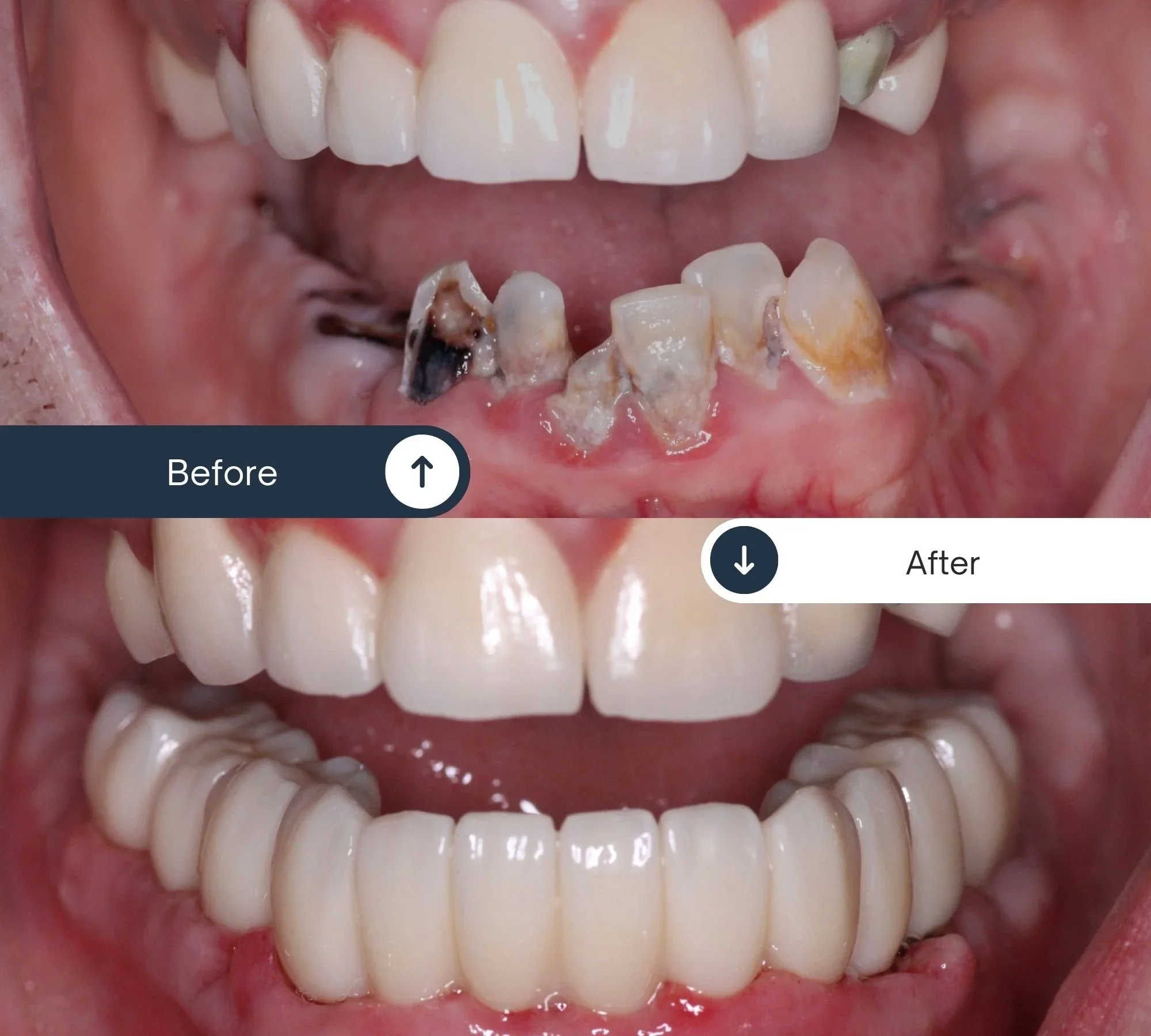
Here is the most evidence-aligned sequence in many periodontal cases.
Step 1: Control infection and inflammation
Depending on severity, this may involve:
improved home care,
professional debridement,
scaling and root planing,
local antimicrobials in select cases,
occlusal adjustment where trauma is present.
The goal is disease control, not perfection in a week. Periodontal stabilization takes time, and a stable baseline is safer for implant therapy.
Step 2: Re-evaluate after initial therapy
A re-evaluation (often 4 to 12 weeks after initial therapy) checks whether:
bleeding decreased,
pockets reduced,
the patient’s home care improved,
sites needing surgical therapy are identified.
Step 3: Periodontal surgery when indicated
Some patients need periodontal surgery to reduce pocket depth, improve access, and stabilize bone and soft tissue. This can be important before implants because persistent deep pockets reflect persistent risk.
Step 4: Replace hopeless teeth strategically
If certain teeth have severe bone loss and poor prognosis, a planned extraction can remove chronic infection sources. Implant therapy may then be staged into healed sites or placed immediately only when infection control and primary stability criteria are met.
Step 5: Site development, bone grafting, and soft tissue optimization
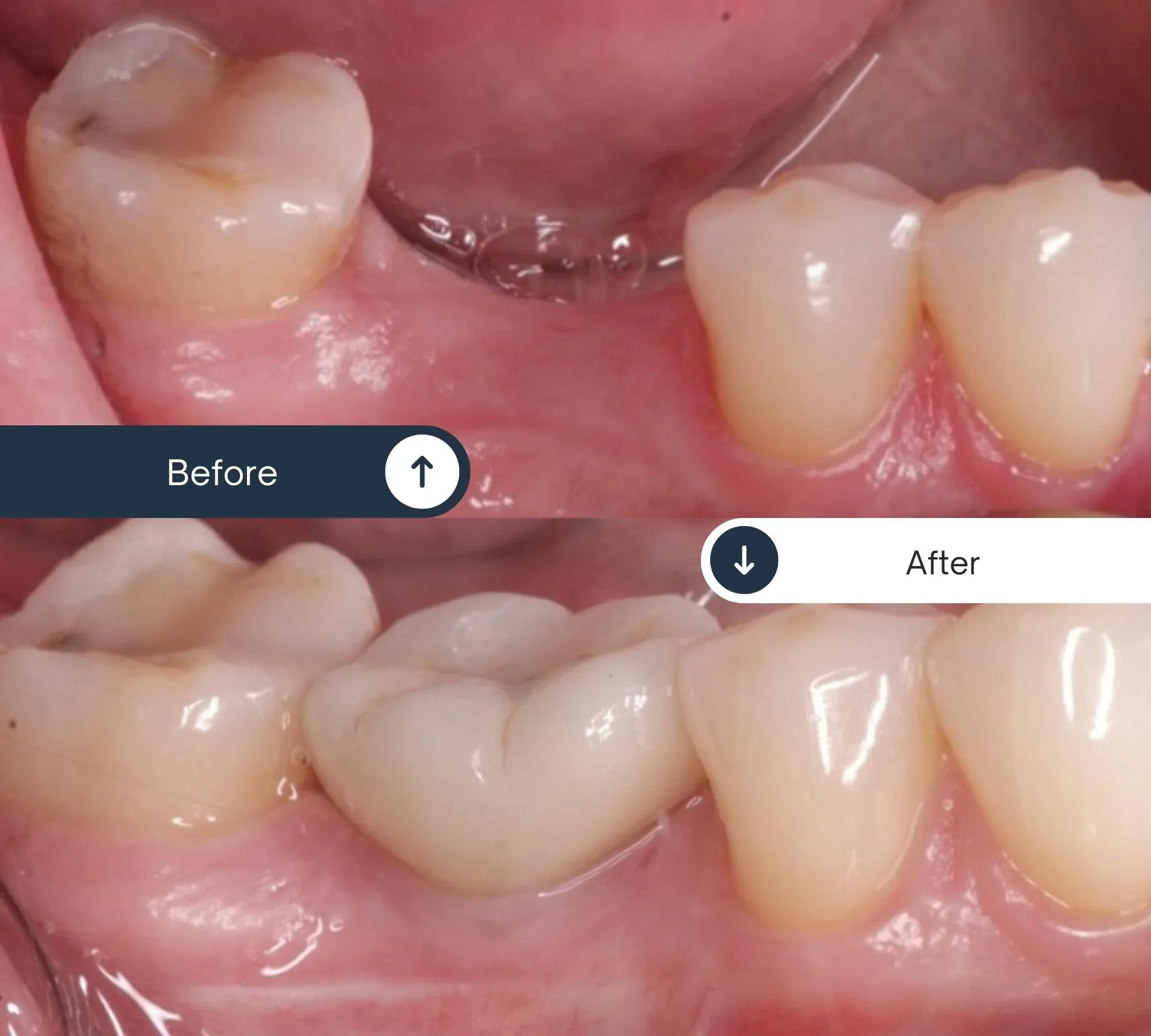
Periodontitis often leaves bone defects. Bone augmentation and, in some cases, soft tissue grafting can improve implant site biology and cleansability.
Supportive literature highlights that soft tissue dimensions and maintenance protocols matter for long-term peri-implant health. (Nature)
Step 6: Implant placement with risk-aware protocols
This includes:
favorable 3D implant positioning,
attention to keratinized tissue and tissue phenotype,
minimizing residual cement risk where cement-retained crowns are used,
ensuring the final prosthesis can be cleaned.
Consensus guidance emphasizes favorable 3D placement and thorough periodontal treatment in periodontitis patients receiving implants. (AAP Journals)
Step 7: Supportive periodontal and peri-implant maintenance
This is the step that most strongly separates long-term success from long-term problems.
Maintenance literature emphasizes the importance of structured supportive care to preserve peri-implant health, and it reports lower incidence of peri-implantitis among patients enrolled in supportive programs compared to those without consistent maintenance. (PMC)
What “stable gum disease” looks like before implants
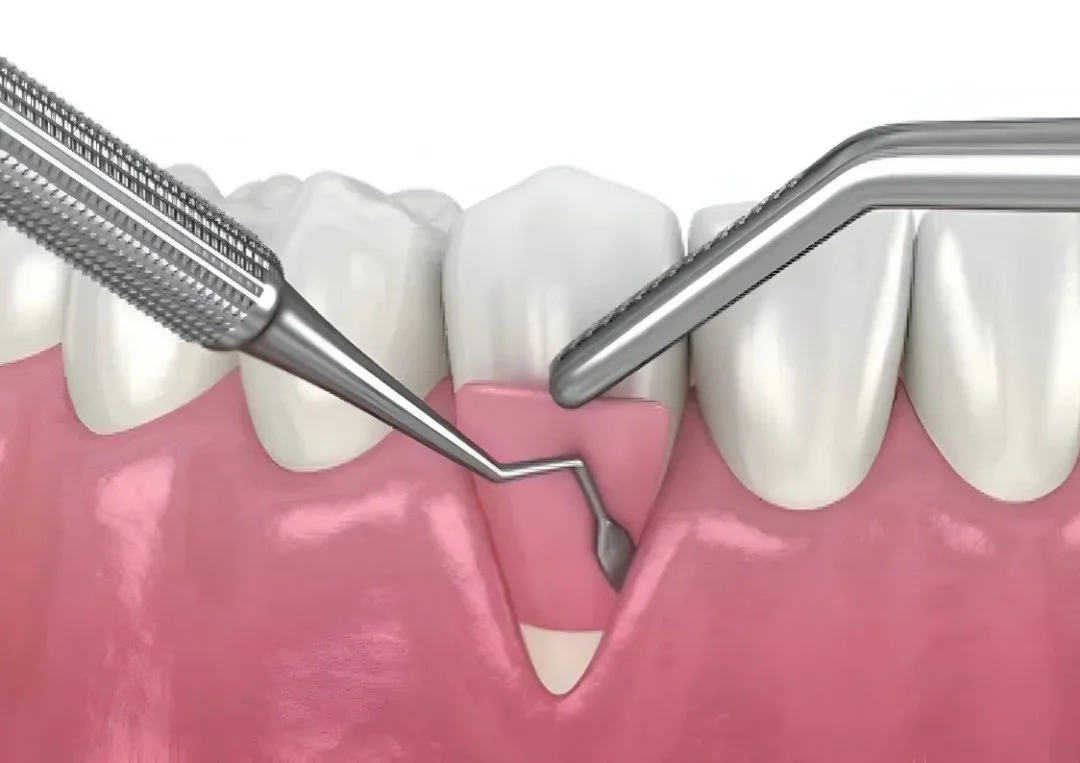
Clinically, stabilization often includes:
low bleeding on probing,
improved plaque scores,
reduced pocket depths or at least stable, maintainable pockets,
patient demonstrated compliance with home care and follow-ups.
There is no single universal cutoff, but the concept is consistent across periodontal therapy guidance and implant risk literature: you want a mouth that behaves like a controlled chronic condition, not an active infection. (PubMed)
Special situations and common patient questions
“Can I get implants if I had periodontitis years ago?”
Often yes. But your history affects planning. Reviews show that history of periodontitis increases risk of peri-implantitis and marginal bone loss, so your maintenance schedule, implant design, and hygiene plan become even more important. (PubMed)
“Can I get implants if my teeth are loose from gum disease?”
Maybe. Loose teeth can sometimes be stabilized if disease is controlled, but significant mobility often reflects substantial bone loss. Some teeth may be non-restorable, and implants might become part of the plan after extractions and site development.
“Can implants stop gum disease?”
Implants do not “cure” periodontal susceptibility. They replace missing teeth, but you can still develop peri-implant inflammation. Maintenance is essential.
“Can gum disease come back around implants?”
Yes, in the form of peri-implant mucositis or peri-implantitis. Epidemiology reviews and meta-analyses highlight meaningful prevalence of peri-implant diseases, reinforcing the need for ongoing professional supportive care. (PMC)
“If I have gum recession, does that affect implants?”
Recession and thin tissue can affect cleansability and esthetics, and may increase risk of inflammation in some settings. Soft tissue management, including grafting when indicated, can support long-term health.
The biggest risk multipliers: smoking, poor plaque control, and inconsistent maintenance
Smoking
Smoking is consistently associated with increased risk for periodontal breakdown and implant complications, and it is frequently analyzed alongside periodontitis history in peri-implantitis risk reviews. (PMC)
Poor plaque control
This is one of the most modifiable factors. Patients who improve plaque control can dramatically change their trajectory.
No supportive care
Supportive peri-implant care and supportive periodontal therapy are repeatedly emphasized as protective. Maintenance-focused reviews summarize evidence that consistent supportive programs reduce complications and preserve peri-implant health over time. (Nature)
What peri-implant maintenance typically includes for periodontal patients
A risk-based supportive program may involve:
professional mechanical plaque removal around implants,
reinforcement of home care techniques,
monitoring probing depths and bleeding around implants,
radiographs at appropriate intervals,
early treatment of peri-implant mucositis to prevent progression.
A 2024 narrative review on maintaining peri-implant health discusses structured supportive peri-implant care as a critical part of long-term implant management. (Nature)
When implants may not be recommended until conditions change
Even though many periodontal patients can get implants, there are times when it is safer to delay:
uncontrolled diabetes or systemic inflammatory disease,
heavy smoking with unwillingness to reduce or stop,
persistent poor hygiene,
untreated active periodontitis,
inability to commit to maintenance,
severe bruxism without management,
anatomical limitations without willingness to pursue grafting.
In these cases, the conversation is not “never,” it is “not yet,” because risk modification can change candidacy.
A practical decision framework
If you want a simple way to think about it:
You may be a good implant candidate with gum disease history if:
your periodontitis is treated and stable,
you have consistent hygiene habits,
you commit to supportive care,
the implant site can be built or grafted when needed,
your overall health risks are controlled.
You should usually treat gum disease first if:
you have bleeding gums, deep pockets, or active infection,
you have not had periodontal therapy,
you have not demonstrated stable maintenance.
This reflects the logic supported by periodontal position statements and systematic reviews that identify periodontitis history as a risk factor requiring careful management. (PubMed)
Conclusion
So, can you get dental implants if you have gum disease?
Yes, many patients can, but the safest and most predictable approach is to treat and stabilize gum disease first, then plan implants with a maintenance-first mindset. The scientific literature consistently shows that a history of periodontitis increases the risk of peri-implantitis, marginal bone loss, and implant failure, but it also supports that risk can be reduced through appropriate periodontal therapy, careful implant planning, and consistent supportive care. (PubMed)
If you are considering dental implants in Brooklyn and you suspect gum disease may be part of your situation, the best first step is a comprehensive periodontal evaluation and a plan to control inflammation. You can also learn more about periodontal treatment options, including grafting, at our page on gum disease and gum grafting treatment in Brooklyn.