
Should You Choose Implants or Bridges If You Have Bone Loss? A Science-Backed Guide
the tooth-replacement conversation. If you have been told you have “bone loss” (from gum disease, a long-missing tooth, trauma, or infection), you might still be able to choose either a dental implant or a bridge, but the best choice depends on why the bone is missing, how much is missing, and whether the underlying disease is stable.
This guide focuses on the clinical and scientific realities behind the decision. It also explains what “bone loss” means in dentistry, how implants and bridges perform long-term, and which option tends to be more predictable in common bone-loss scenarios.
What “bone loss” actually means
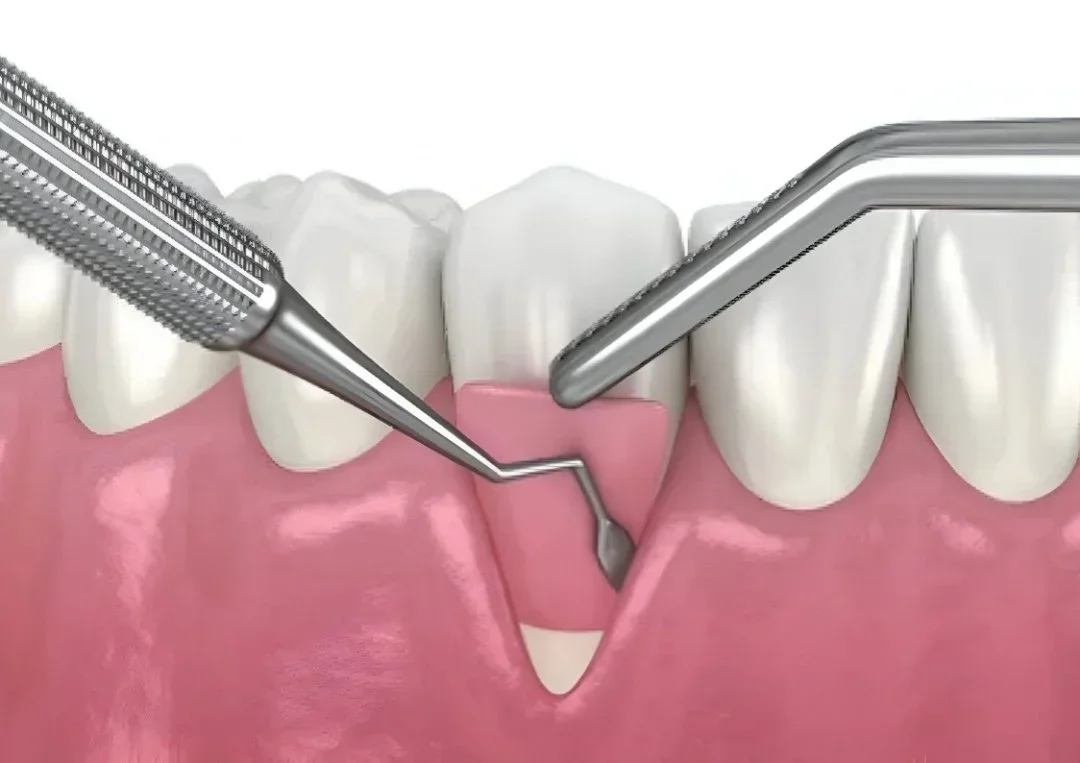
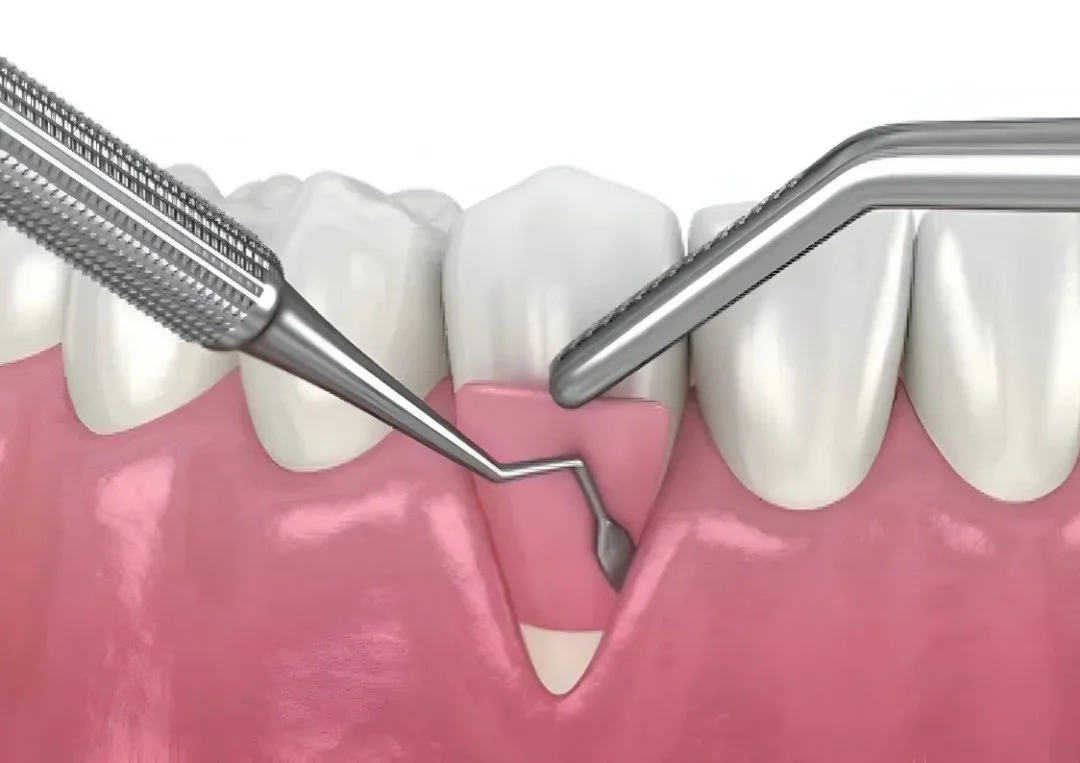
When dentists say “bone loss,” they usually mean loss of the alveolar bone, the part of the jaw that supports teeth. The cause matters:
Periodontitis (gum disease): bone loss occurs around teeth due to chronic inflammation and bacterial biofilm.
Post-extraction resorption: after a tooth is removed, the ridge naturally shrinks over time, even when gums look healed.
Infection or trauma: cysts, fractures, or endodontic infections can cause localized defects.
Bone loss is not always visible in the mirror. Often it is detected on X-rays, CBCT scans, and periodontal probing.
The short answer
Implants are often preferred when you want to replace a single missing tooth without touching adjacent teeth, and when you can create enough bone support through careful placement and, if needed, grafting. Long-term survival is generally high, but implants require ongoing maintenance and can develop peri-implant disease. (PubMed)
Bridges can be a good choice when adjacent teeth already need crowns, when anatomy makes implant placement complex, or when medical or behavioral factors make implant risk unacceptably high. Bridges avoid implant surgery but can increase risk to the neighboring “abutment” teeth over time (decay, endodontic complications, periodontal overload). Long-term survival is also good, but complication patterns differ. (PubMed)
If your bone loss is related to periodontal disease history, your decision should also consider that patients with periodontitis history have higher risk of peri-implantitis, which is addressed in modern peri-implant disease consensus statements and guidelines. (PubMed)
How bone loss affects implants vs bridges
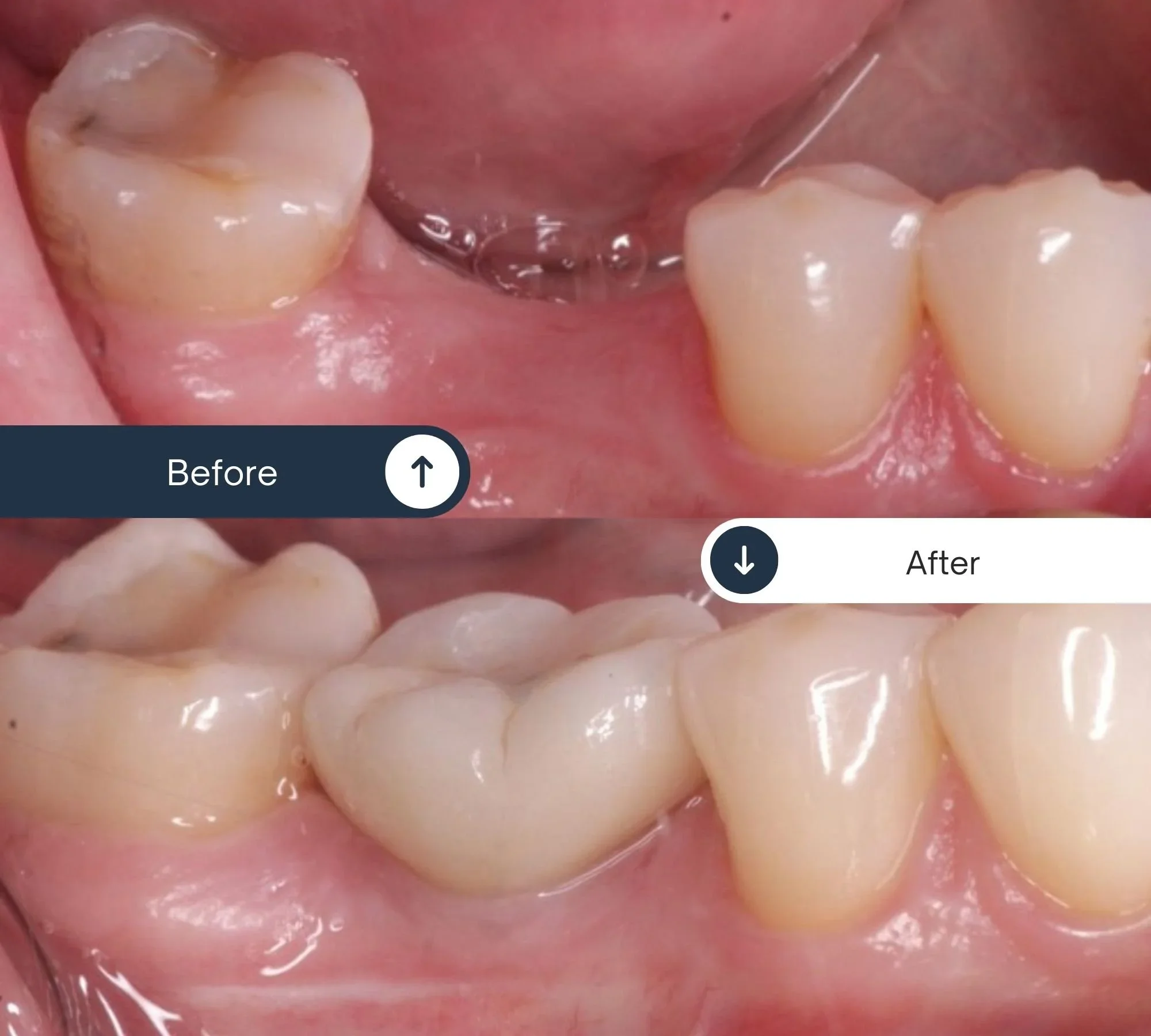
How bone loss affects implants
An implant needs:
sufficient bone volume (height and width) for stability and safe placement
bone quality that can support osseointegration
healthy peri-implant soft tissue and controllable bacterial biofilm
If you lack bone, you may still be a candidate, but you may need:
alveolar ridge preservation at extraction time
ridge reconstruction
sinus augmentation (upper back teeth)
staged bone grafting prior to implant placement
Systematic reviews on ridge preservation and reconstruction evaluate how these approaches support delayed implant placement in deficient ridges. (PubMed)
How bone loss affects bridges
A bridge does not require bone at the missing-tooth site the way an implant does. That sounds like a bridge “wins” in bone loss cases, but there are tradeoffs:
The missing-tooth ridge can continue to shrink under a bridge pontic, sometimes creating food traps or aesthetic issues.
If bone loss is from periodontal disease, the supporting abutment teeth may already have reduced bone support. Asking them to carry extra load can be risky in advanced cases.
Bridge prep removes enamel from adjacent teeth (unless it is a resin-bonded bridge), which can increase long-term risk for decay and endodontic problems.
Long-term evidence comparing tooth-supported and implant-supported fixed dental prostheses shows both can perform well, but they have different biological complication profiles. (PubMed)
Step 1: Identify the type of “bone loss” you have
This is the first decision fork, and it determines which option is more predictable.
Scenario A: Bone loss from gum disease (periodontitis)
This is the most important scenario to address because it affects both implants and bridges.
Periodontitis history is a key risk factor for peri-implantitis and implant complications. Modern consensus statements list history of periodontitis among the main systemic and behavioral risk factors for peri-implant diseases, along with smoking, uncontrolled diabetes, and poor biofilm control. (PubMed)
Bridges may also be challenging if abutment teeth have reduced periodontal support.
In periodontitis-related bone loss, the best option is often the one that can be maintained most predictably long term. That usually means:
disease control first
hygiene access engineered into the final restoration
structured supportive maintenance
Peri-implant disease guidelines emphasize prevention, risk assessment, and ongoing supportive care. (ScienceDirect)
Scenario B: Bone loss from a long-missing tooth (post-extraction resorption)
Here, the adjacent teeth may be healthy, but the ridge has narrowed or lost height over time. In this case:
implants may need grafting
bridges can work without grafting, but ridge collapse can affect pontic aesthetics and food trapping
Ridge preservation and reconstruction evidence reviews address how clinicians manage these post-extraction changes to prepare sites for implants. (PubMed)
Scenario C: Localized defect from infection or trauma
This can be favorable for either option depending on:
defect size and location
whether infection has been fully resolved
whether adjacent teeth are intact
Step 2: Compare long-term outcomes using evidence
A practical decision requires understanding two terms used in the literature:
Survival: the implant or prosthesis is still in place.
Success: the implant or prosthesis is in place without major biological or technical complications.
Implants vs bridges: survival and complications
A classic systematic review compared survival and complication rates for tooth-supported and implant-supported restorations over 5 and 10 years, and it emphasized that complications (biological and technical) are common enough to matter even when survival is high. (PubMed)
Another systematic review focused on implants versus short-span fixed bridges and evaluated survival, complications, and economic aspects. (PubMed)
One important theme across reviews:
implants can have high survival but still experience biological complications such as mucositis and peri-implantitis
bridges can have high survival but often shift risk onto abutment teeth and cement interfaces
What about “bone loss” specifically?
Bone loss increases the importance of complication prevention.
For implants, peri-implantitis is especially relevant. An AO/AAP consensus paper notes that peri-implantitis bone loss can progress faster than periodontitis and may follow a nonlinear accelerating pattern, which is one reason prevention and early intervention matter. (AAP Online Library)
For bridges, the key bone-loss question is whether the abutment teeth have enough periodontal support to tolerate load long term. A study comparing risk factors for prosthetic success in tooth-supported versus implant-supported 3-unit prostheses highlights how periodontal and oral risk factors influence outcomes. (PMC)
Step 3: Understand the core tradeoffs
Advantages of implants in bone loss cases
1) They can help preserve bone at the missing tooth site (once placed).
After extraction, bone tends to resorb. Implants transmit functional forces into the bone and may help maintain ridge volume compared with leaving the site empty or using a pontic. Many clinical discussions about implants emphasize bone preservation as a functional advantage, and ridge preservation research focuses on minimizing post-extraction collapse before implant placement. (Nature)
2) They do not require drilling down adjacent teeth.
If adjacent teeth are intact, implants can be tooth-sparing.
3) They can be ideal when abutment teeth are compromised.
If the neighboring teeth have large fillings, cracks, or periodontal bone loss, relying on them as bridge abutments can be less predictable than placing an implant (assuming periodontal disease is stable).
Disadvantages of implants in bone loss cases
1) You may need grafting, which adds time, cost, and surgical steps.
Ridge preservation and reconstruction reviews show clinicians often use ARP/ARR to prepare deficient sites for delayed implant placement. (PubMed)
2) You can still lose bone around implants from peri-implantitis.
This risk is elevated in periodontitis history, smokers, uncontrolled diabetes, and poor hygiene. Consensus statements highlight these risk factors. (PubMed)
3) Implant complications can be harder to reverse.
Treatment of peri-implantitis is possible, but outcomes can be variable, and prevention is emphasized heavily in guidelines. (ScienceDirect)
Advantages of bridges in bone loss cases
1) No implant surgery and often faster completion.
This can matter for patients with medical complexity or who prefer to avoid surgical procedures.
2) They can bypass ridge deficiency at the missing-tooth site.
If you have severe ridge collapse and do not want grafting, a bridge can replace the tooth without building new bone first.
3) Good choice when adjacent teeth already need crowns.
If the teeth next to the space already require full coverage restorations, a bridge may be efficient.
Disadvantages of bridges in bone loss cases
1) They concentrate risk on abutment teeth.
Preparing teeth for crowns can increase vulnerability to future decay, endodontic needs, or fracture. A major long-term question becomes: will those abutment teeth remain healthy for 10 to 20 years?
2) They do not stop ridge resorption under the pontic.
Bone can continue to shrink where the tooth is missing. This may impact aesthetics and hygiene.
3) Periodontal bone loss on abutments can be a deal-breaker.
If gum disease caused your bone loss, the abutment teeth may not be stable enough. The evidence base discussing periodontal risk factors for prosthetic success highlights the relevance of oral and periodontal conditions. (PMC)
The step-by-step pathway: implants after gum disease
Here is the most evidence-aligned sequence in many periodontal cases.
Step 1: Control infection and inflammation
Depending on severity, this may involve:
improved home care,
professional debridement,
scaling and root planing,
local antimicrobials in select cases,
occlusal adjustment where trauma is present.
The goal is disease control, not perfection in a week. Periodontal stabilization takes time, and a stable baseline is safer for implant therapy.
Step 2: Re-evaluate after initial therapy
A re-evaluation (often 4 to 12 weeks after initial therapy) checks whether:
bleeding decreased,
pockets reduced,
the patient’s home care improved,
sites needing surgical therapy are identified.
Step 3: Periodontal surgery when indicated
Some patients need periodontal surgery to reduce pocket depth, improve access, and stabilize bone and soft tissue. This can be important before implants because persistent deep pockets reflect persistent risk.
Step 4: Replace hopeless teeth strategically
If certain teeth have severe bone loss and poor prognosis, a planned extraction can remove chronic infection sources. Implant therapy may then be staged into healed sites or placed immediately only when infection control and primary stability criteria are met.
Step 5: Site development, bone grafting, and soft tissue optimization
Periodontitis often leaves bone defects. Bone augmentation and, in some cases, soft tissue grafting can improve implant site biology and cleansability.
Supportive literature highlights that soft tissue dimensions and maintenance protocols matter for long-term peri-implant health. (Nature)
Step 6: Implant placement with risk-aware protocols
This includes:
favorable 3D implant positioning,
attention to keratinized tissue and tissue phenotype,
minimizing residual cement risk where cement-retained crowns are used,
ensuring the final prosthesis can be cleaned.
Consensus guidance emphasizes favorable 3D placement and thorough periodontal treatment in periodontitis patients receiving implants. (AAP Journals)
Step 7: Supportive periodontal and peri-implant maintenance
This is the step that most strongly separates long-term success from long-term problems.
Maintenance literature emphasizes the importance of structured supportive care to preserve peri-implant health, and it reports lower incidence of peri-implantitis among patients enrolled in supportive programs compared to those without consistent maintenance. (PMC)
What “stable gum disease” looks like before implants
Clinically, stabilization often includes:
low bleeding on probing,
improved plaque scores,
reduced pocket depths or at least stable, maintainable pockets,
patient demonstrated compliance with home care and follow-ups.
There is no single universal cutoff, but the concept is consistent across periodontal therapy guidance and implant risk literature: you want a mouth that behaves like a controlled chronic condition, not an active infection. (PubMed)
Special situations and common patient questions
“Can I get implants if I had periodontitis years ago?”
Often yes. But your history affects planning. Reviews show that history of periodontitis increases risk of peri-implantitis and marginal bone loss, so your maintenance schedule, implant design, and hygiene plan become even more important. (PubMed)
“Can I get implants if my teeth are loose from gum disease?”
Maybe. Loose teeth can sometimes be stabilized if disease is controlled, but significant mobility often reflects substantial bone loss. Some teeth may be non-restorable, and implants might become part of the plan after extractions and site development.
“Can implants stop gum disease?”
Implants do not “cure” periodontal susceptibility. They replace missing teeth, but you can still develop peri-implant inflammation. Maintenance is essential.
“Can gum disease come back around implants?”
Yes, in the form of peri-implant mucositis or peri-implantitis. Epidemiology reviews and meta-analyses highlight meaningful prevalence of peri-implant diseases, reinforcing the need for ongoing professional supportive care. (PMC)
“If I have gum recession, does that affect implants?”
Recession and thin tissue can affect cleansability and esthetics, and may increase risk of inflammation in some settings. Soft tissue management, including grafting when indicated, can support long-term health.
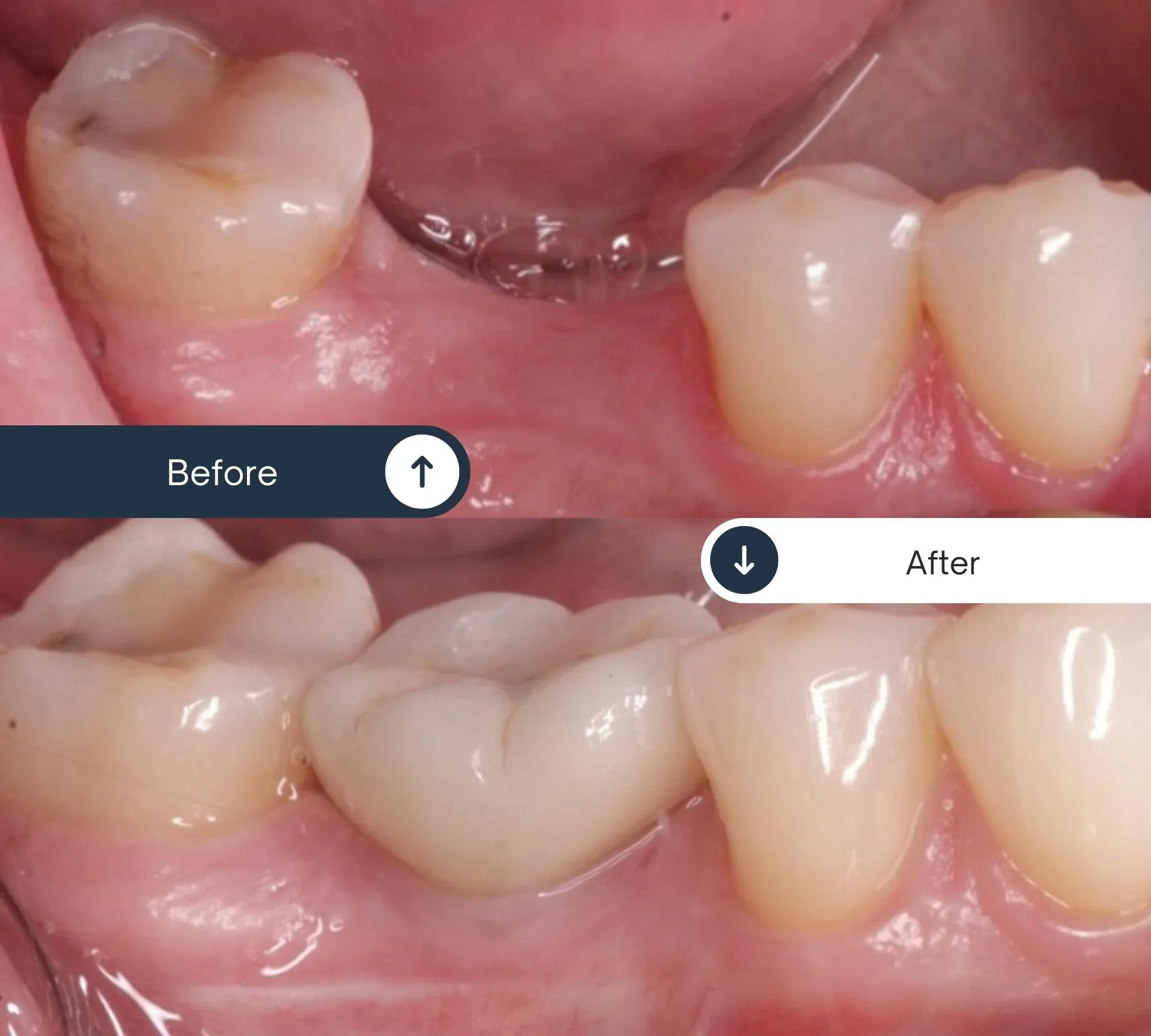
A decision framework that works in real life
Here is a practical, clinician-style framework to decide implants vs bridges when bone loss is present.
Choose an implant more often when:
adjacent teeth are healthy and you want to preserve them
the bone deficiency is moderate and grafting is feasible
you can commit to excellent home care and maintenance
periodontal disease (if present) is treated and stable
you want the most tooth-like function and bone support at the site
Peri-implant disease consensus statements emphasize that patient-level risk control and biofilm control are central to long-term peri-implant health. (PubMed)
Choose a bridge more often when:
adjacent teeth already need crowns
grafting would be extensive or anatomically challenging and you want to avoid it
medical conditions, medications, or behaviors increase surgical risk
you cannot commit to maintenance appropriate for implants
you need a shorter timeline and lower up-front cost (with the understanding that long-term economics can differ)
Economic-focused systematic reviews compare implants and short-span bridges and highlight that the “best value” depends on complication rates, maintenance, and replacement timelines. (PubMed)
Special considerations when bone loss is from gum disease
If your bone loss is periodontal, both options require a “periodontal-first” plan.
For implants
treat active periodontitis first
stabilize bleeding and pocketing
ensure excellent plaque control
plan implant placement with hygiene access and correct 3D positioning
enroll in supportive maintenance
Modern AO/AAP consensus guidance lists history of periodontitis and poor microbial biofilm control among the key risk factors for peri-implant disease, emphasizing prevention and management strategies. (PubMed)
For bridges
confirm abutment teeth have adequate bone support
confirm periodontal stability and maintainability
design margins and contours that do not trap plaque
consider whether splinting to additional teeth is necessary (and whether that increases risk)
A major point: in advanced periodontal bone loss, the “best” tooth replacement is often the one that can be cleaned and maintained most predictably for your specific anatomy and habits.
What about cantilevers and “shortcuts” in bone loss cases?
Bone loss sometimes tempts clinicians toward designs that avoid grafting, such as cantilevered implant prostheses or long-span bridges. These can work, but they demand careful risk assessment.
A 2024 systematic review on implant-supported fixed prostheses with cantilevers found trends toward lower survival and higher marginal bone loss in cantilever groups, plus significantly higher mechanical complications, even when some differences were not statistically significant. (PMC)
If you have bone loss, mechanical stress distribution matters. “Engineering” decisions like cantilevers should be made cautiously.
A realistic timeline comparison in bone loss cases
Implant timeline (common with bone loss)
consult, imaging, periodontal evaluation
grafting or ridge preservation if needed
healing phase (varies by graft type)
implant placement
osseointegration healing
crown placement
long-term supportive maintenance
Bone preservation and reconstruction reviews specifically discuss how ARP/ARR impacts delayed implant placement planning. (PubMed)
Bridge timeline
consult, evaluation of abutment teeth
preparation of abutment teeth
impressions and temporary bridge
final bridge delivery
hygiene plan and ongoing maintenance
Bridges can often be completed faster, but they may have a different long-term maintenance profile.
Cost and “value over time” in bone loss cases
In bone-loss cases, cost can diverge over time:
Implants can have higher up-front cost, especially with grafting.
Bridges can have lower up-front cost, but if an abutment tooth fails, the replacement plan can become larger and more expensive.
A systematic review that evaluated implants versus short-span fixed bridges specifically addressed economic aspects and patient-centered benefits, emphasizing that complication rates and replacement cycles influence overall value. (PubMed)
Questions to ask your periodontist or restorative dentist
Bring these questions to a consult. They are especially important if you have bone loss:
What caused my bone loss, periodontal disease, post-extraction resorption, infection, or trauma?
How much bone height and width do I have at the site, and do I need grafting?
If a bridge is considered, are the adjacent teeth healthy enough to be abutments long term?
If an implant is considered, what is my risk level for peri-implantitis, especially if I have gum disease history?
What maintenance schedule do you recommend for my risk profile?
How will the restoration be designed so I can clean it effectively?
What are the most common complications for each option in my situation?
Peri-implant disease guidelines and consensus statements repeatedly highlight prevention, risk assessment, and biofilm control as core themes, which are exactly what these questions are designed to surface. (ScienceDirect)
Bottom line
If you have bone loss, you can often choose either implants or bridges, but the “best” choice is the one that fits your:
bone anatomy and grafting willingness
gum disease status and stability
health risks (smoking, diabetes control, biofilm control)
adjacent tooth condition
ability to maintain the restoration long term
Implants tend to be favored when adjacent teeth are healthy and bone can be developed predictably, while bridges tend to be favored when adjacent teeth already need crowns or when grafting is extensive and not desired.